Street Wheelie Brasil Motorcycle Customization Guide
Build a bike that looks, sounds, and rides like your street identity—without wrecking your balance or wallet.
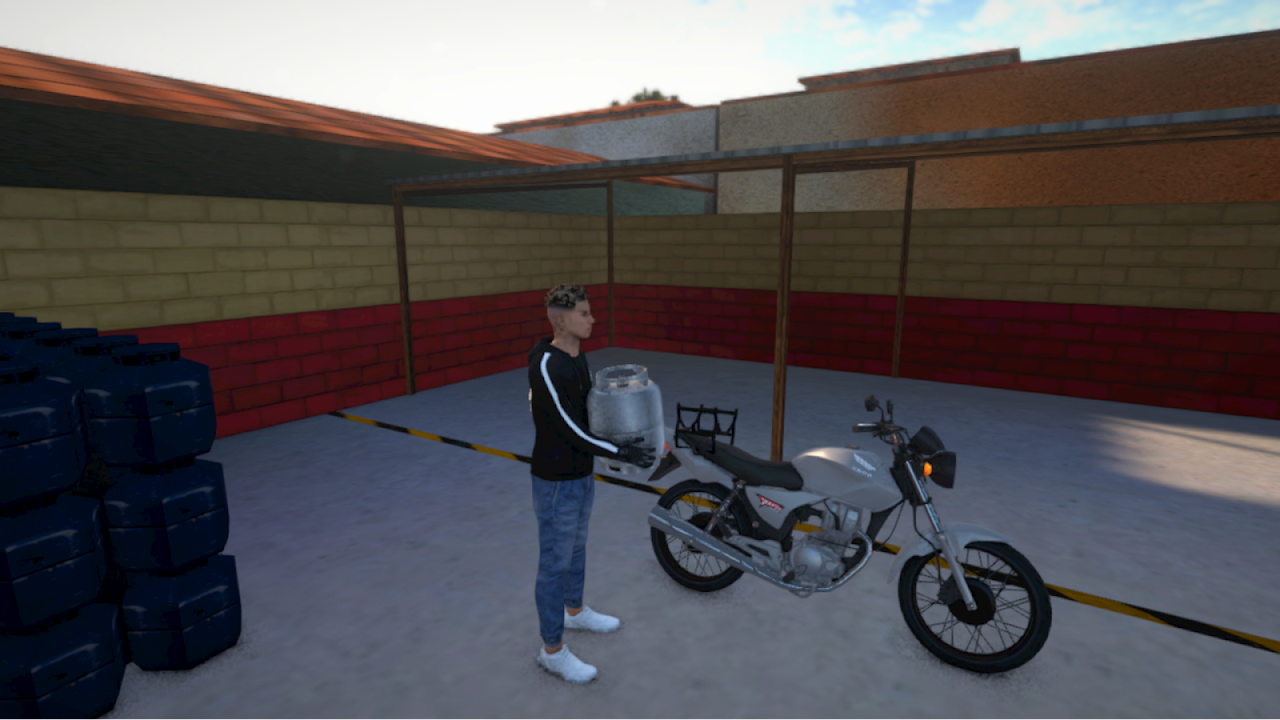
Customization is where Street Wheelie Brasil turns a physics toy into your motorcycle. Villa Games Group leans hard into personalization: visuals you recognize in mirrors and lobbies, exhaust setups that change the ronco (that bark and character of the engine note), and the ongoing tension between pure style and rideable performance. This guide helps you plan a garage identity, spend intelligently, and understand how parts interact with grau skill.
Before you empty the wallet, make sure you can already hold a basic wheelie—see How to Wheelie—and that you have a steady income plan in Jobs and Money. Cross-check expensive platforms with the Tier List Hub so you are not polishing a bike that fights your goals.
What “identity” means in SWB
Brazilian street moto culture is loud in the best way: color, stance, light accents, and exhaust voice. In-game, identity is the combination of:
- Silhouette — fairings, bars, plates, and proportions you can spot from a distance.
- Palette — paints, wraps, and contrast that read clearly in daylight and night sessions.
- Sound — exhaust and ronco profiles that make full throttle and feathered taps feel different.
- Motion — how the bike behaves when you lift into grau; the “feel” is part of the brand you present online.
Aim for a coherent package. A hyper-aggressive exhaust on a beginner-unstable setup looks cool in a screenshot and feels miserable for ten minutes of practice.
Visual personalization workflow
Work in layers instead of random shop taps:
- Pick the base bike with intent. Use the Tier List Hub for progression value, then commit to a machine you will actually ride for a week.
- Lock a color story. One primary, one accent, optional third highlight. Busy liveries hide damage and also hide the front-wheel reference you need for balance.
- Adjust stance and parts that change readable shape. Keep sightlines to the front wheel clear; giant cosmetic blockers that obscure the nose make grau harder.
- Add details last. Stickers, small accessories, and flex pieces matter more once the big shapes are right.
- Screenshot in multiple lighting conditions. What pops in a garage light may vanish on a bright avenue.
Revisit visuals after you change major performance parts—some components shift the silhouette enough that old color blocking looks unfinished.
Exhaust, ronco, and audio identity
Villa Games Group has showcased different roncos per exhaust, which is a huge part of the fantasy. Treat sound like a gameplay feedback channel, not only flex:
- A clearer, more distinct bark can help you hear throttle spikes before the camera catches a loop-out—useful when practicing the tap rhythm from How to Wheelie.
- Louder is not always better. If a profile saturates and masks small rev changes, pick a tone with sharper transients for training, then swap to the flex can for online posing.
- Match exhaust choice to your riding persona: deep cruise, sharp sport snap, or street-theatre loudness—but re-test balance after installing anything that also changes performance stats.
If a patch retunes audio, do a short flat-road session before judging the new can. Ears adapt; give yourself ten minutes.
Performance versus style
Every garage fights this split. Use a simple rule set:
- Early game: prioritize stability, control comfort, and earning. Style budget stays small until you can hold grau without panic.
- Mid game: split cash—one session for a performance milestone, one for a visual milestone. Never blow a full reserve on paint the night before a bike unlock you actually need.
- Late game: specialize. Build a practice mule that forgives mistakes and a show bike for lobbies, if the economy allows. Dual bikes beat one compromised mess.
When a part promises both power and drama, read the trade. More torque can shrink the sweet spot. If your flip rate spikes after an install, you did not “get worse overnight”—you changed the machine. Dial throttle discipline tighter or revert until skill catches up. The Tier List Hub exists partly to warn you which shiny options are traps for your current level.
Smart spending checklist
- Claim any live rewards from the Codes Hub before big cosmetic carts.
- Fund vanity with surplus after job goals in Jobs and Money.
- Change one major performance variable at a time so you can feel the difference.
- Keep a “stock-ish” reference setup you can return to when learning new maps or online routes.
- Do not chase every weekly flex piece; coherent identity ages better than a sticker collage.
Garage goals for the first week
Day 1–2: readable paint, stock-leaning setup, focus on control. Day 3–4: first meaningful performance upgrade guided by the tier list, then re-learn the sweet spot. Day 5–7: exhaust/ronco choice you love, light cosmetic finish, short online cruise to see how the bike reads among other players (Online Multiplayer).
Customization in Street Wheelie Brasil is street storytelling with a physics engine underneath. Make the bike yours—but keep it rideable. When look, sound, and balance agree, every grau feels like a signature instead of a struggle.
Frequently Asked Questions
Quick answers for Street Wheelie Brasil players.
Should I customize before I can wheelie?
Keep early cosmetics light. Learn stable grau first, then invest in paint and exhaust so style does not outrun skill.
Do exhausts only change sound?
Ronco identity is a big feature, but always re-test handling after any part that may also alter performance.
How do I avoid wasting money in the garage?
Use Jobs and Money for income planning, claim Codes when active, and check the Tier List Hub before expensive platforms.
What makes a bike look good online?
Clear silhouette, simple palette contrast, and a coherent exhaust voice beat overcrowded sticker spam.
My bike feels harder after a power part—why?
Extra torque often narrows the wheelie sweet spot. Tighten throttle taps or temporarily revert while you adapt.